 info@tpaf.in
  +91- 7768853030
  Donate
now
Donate
now


Latest Update
Blogs
Share On



December 3,2025
/ adminA complete diet guide to keep your liver healthy
Post-transplant treat nutrition as medicine. Like you are so very particular with your kid’s medication, be even more vigilant with diet. After the transplant, a dietitian will help you draft a proper diet plan taking your child’s health and recovery into consideration. Remember, a diet plan post-transplant will need a very personalised approach. Depending on your child’s age, weight and health status, your dietitian will draft a diet plan.
After a transplant, your child’s appetite might get better. However, kids who ate well before the transplant might not have any problems adjusting to a healthy diet pattern post-transplant. If you have an infant who’s been on feeding tubes, it might need some more time to stay on tubes post-transplant. If you wish to breastfeed, talk to your doctor to know when you can start feeding.
If you have a little older child, keep these things about diet and nutrition in mind:
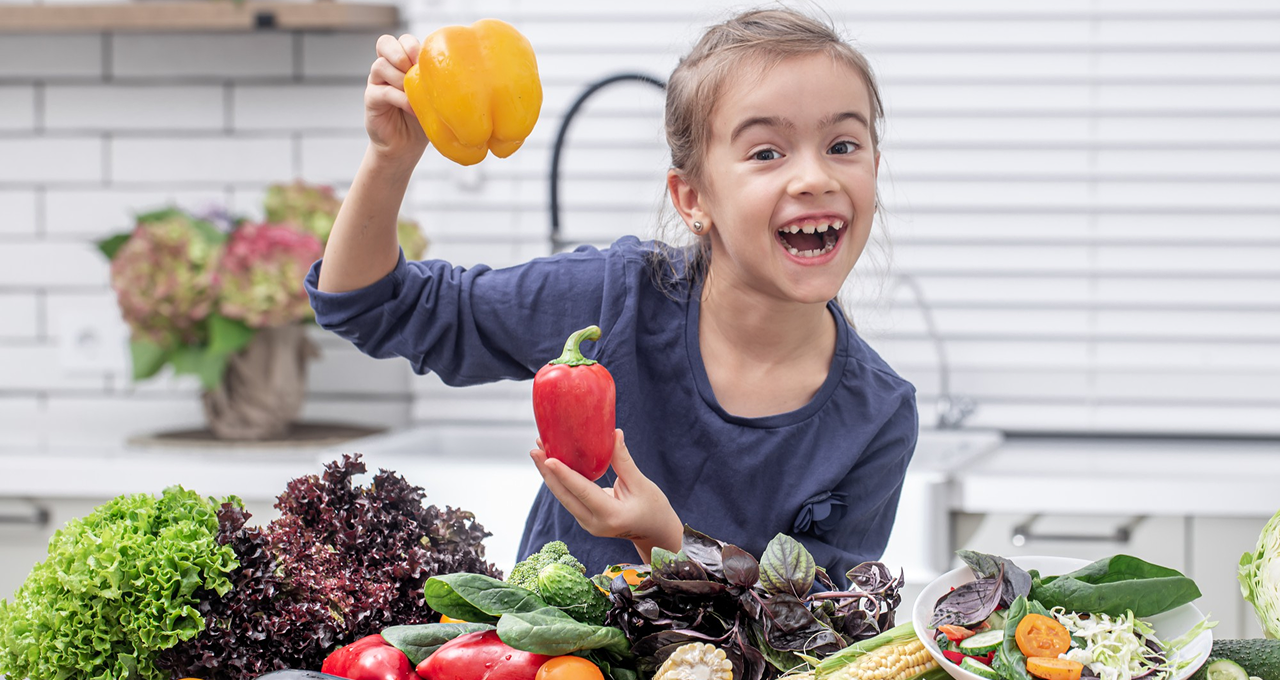
- Make sure that your child has at least five servings of fruits and vegetables in a day.
- Include a variety of foods in your child’s plate from different food groups. Ensure your child has the right amount of carbohydrates, proteins and fats along with other minerals and vitamins in the diet.
- Maintain a low salt and low-fat diet. So, avoid fatty foods and processed foods that can take a toll on your child’s liver.
- Avoid street foods or cut fruits from the street vendors
- Have more lean meats, eggs, chicken, lentils, pulses and beans to get a fair share of protein from food.
- Include healthy carbs such as – whole wheat, millets, oats, quinoa, brown rice.
- Don’t miss out on milk and milk products. Your best picks would be low-fat, skim milk, low-fat cheese, cottage cheese and curd for optimal calcium intake.
- Include more fibre in your kid’s diet. Most fruits and vegetables are a great source of the same. However, refrain from giving your baby raw vegetables as they could be challenging to digest.
- Help your child to stay hydrated throughout the day. Ensure your child drinks at least eight glasses of water in a day.
- Make sure that your child’s food is well cooked and hot while serving. Take care not to serve raw or undercooked food to your child as it could give rise to a bacterium infection.
- Avoid giving leftovers to your child.
Related Posts
Antara Ghogare
moreIqra Khatoon
moreA complete diet guide to keep your liver healthy
more